Food costs, menu profitability and inventory problems are connected, but they are not interchangeable. Understanding the distinction can help you explain what is happening in your restaurant. These concerns matter to independent dining rooms in western Illinois, Iowa and Missouri as well as restaurants seeking remote nationwide consulting.
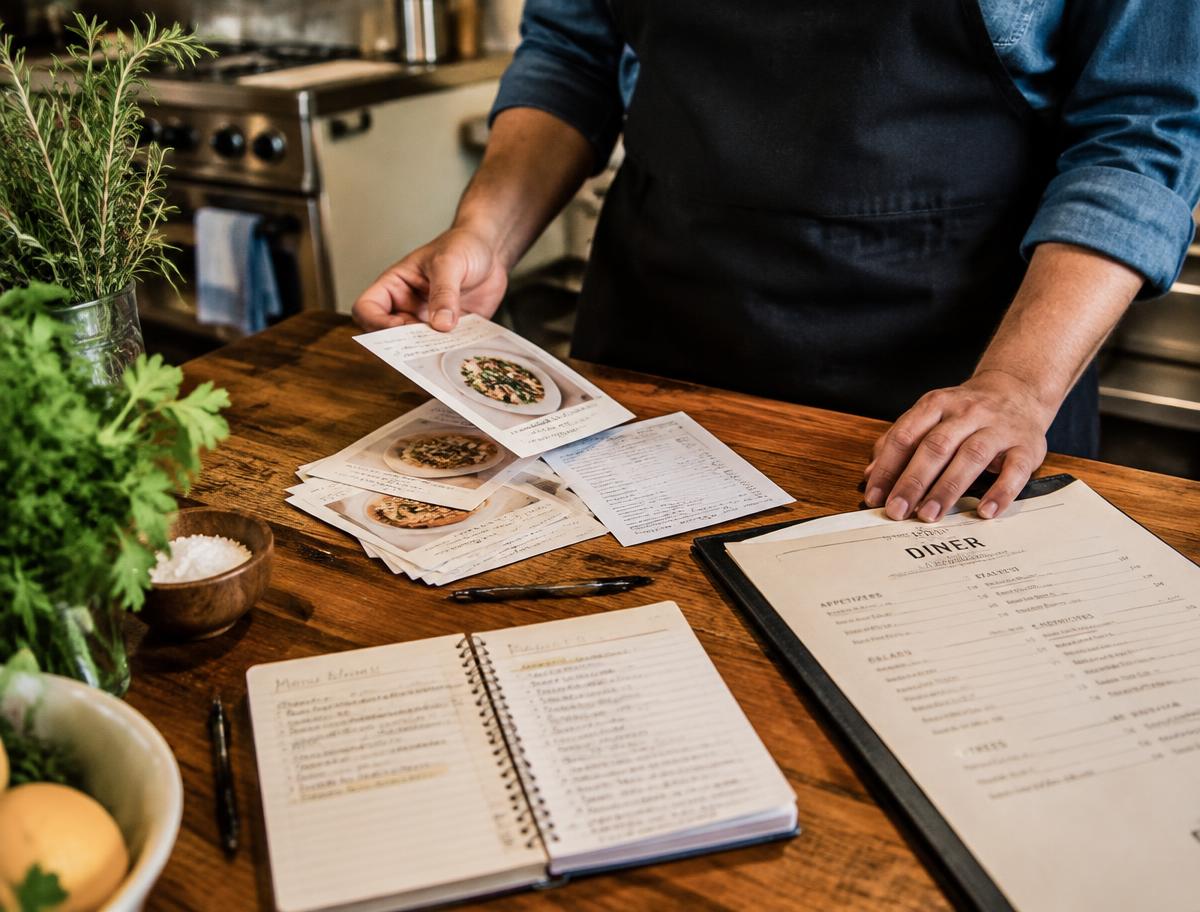
Free insight. Paid, restaurant-specific work.
This article explains common concepts and warning signs. Your introductory consultation is free: it is a conversation about your needs and which existing service may fit. It does not include a custom food-cost analysis or implementation plan.
Restaurant-specific calculations, standardized recipe cards, menu analysis and operational recommendations are paid deliverables within the scope of the service you choose. Scope and pricing are agreed before you commit.
Discuss a Paid Service With TravisOpens the existing inquiry form. The introductory conversation is free; submitting an inquiry does not charge you.
Food cost control is more than a supplier price
Food cost reflects more than the price on an invoice. Portion consistency, usable ingredients, waste and the mix of dishes sold can all influence what your restaurant spends to serve its guests. There is no universal percentage that proves a restaurant is healthy.
Warning signs worth discussing
- Food spending rises while food sales remain relatively steady.
- The same dish appears in noticeably different portions.
- Recipe costs no longer reflect the ingredients actually being purchased.
Recipe Costing & Standardization provides plate-level food cost breakdowns, standardized recipe cards and portion guidelines within the listed paid scope.
Menu profitability is not the same as popularity
A best-selling dish is not automatically your strongest contributor. Ingredients, sales volume and kitchen workload all affect the picture, while labor and other operating expenses still need to be covered.
A simple illustration
Two dishes with the same selling price can leave very different amounts to cover labor and overhead. A busy order ticket alone does not tell you which one supports the business better.
Frequent sales paired with disappointing margins, or slow-selling dishes tied to perishable ingredients, are reasons to seek a closer review—not automatic reasons to raise every price or remove a favorite dish.
The paid Menu Profitability Review includes item-by-item margin analysis, pricing recommendations and menu layout suggestions.
Inventory issues can hide operational problems
Unexpected shortages, spoilage and unexplained differences between records and the kitchen can point to more than purchasing. They may reflect inconsistent portions, recordkeeping gaps or workflow problems. A discrepancy is a signal to understand, not proof of employee wrongdoing.
- Recurring shortages alongside ingredients that sit unused.
- Waste that appears repeatedly without a clear explanation.
- Managers working from conflicting inventory information.
The paid Restaurant Operations Assessment includes labor, inventory and workflow review and a written prioritized action plan. Cost control must never compromise food safety.
Multi-location differences need context
Different supplier prices, guest preferences and sales volumes can make locations look different on paper. Inconsistent standards or unclear manager expectations can add another layer. A comparison without context may suggest the wrong problem.
Uneven portions, conflicting recipe versions and recurring uncertainty about responsibilities are useful topics for an introductory conversation. The paid Multi-Location Restaurant Consulting service covers cross-location standards, a manager training framework and an agreed custom scope and timeline.
Ready for an analysis of your restaurant?
Tell Travis which food-cost, menu or operational concern you want to understand. Start with the existing free introductory consultation, then agree the appropriate paid service and scope. No savings or profitability outcome is guaranteed.
An inquiry does not collect payment or include custom calculations, templates or a detailed implementation plan.